There is a difference between minimalism and restraint. Minimalism is an aesthetic — a photograph in a magazine, a white wall, a single chair. Restraint is a discipline. It costs nothing and shows nothing, and it is the discipline that turns travel from an ordeal of logistics into something closer to a practice. The carry-on is the most useful place to learn it.
What follows is not a packing list in the usual sense. There are no chargers numbered in order. There are no recommendations to roll, fold, or compress. The carry-on we are interested in is the one whose contents you could lay out on a hotel bed at the end of a two-week trip and find that you used everything once and missed nothing. Reaching that state is mostly a matter of subtracting.
The principle: one bag, one week, one promise
Limit yourself to a single cabin-sized bag. Forty liters is generous. Thirty-five is honest. The size limit is the constraint that does the work; it is the constraint that will quietly veto the third pair of shoes, the spare jacket, and the books you secretly knew you would not finish. Make the promise to yourself before you start packing and the rest of the list takes care of itself.
The second principle is the one most people resist: pack for the trip you are taking, not for the trip you are afraid of. Almost everything you might forget can be bought, borrowed, or improvised at the other end. Medication, prescriptions, and important documents are the exceptions. Everything else is negotiable.
The list, with reasons
The following is the list I have used, with minor adjustments, for two years of travel through three continents. It assumes a moderate climate and a mixed itinerary of cities and small towns. Adapt it to your weather and your obligations, but resist the urge to add more than you remove.
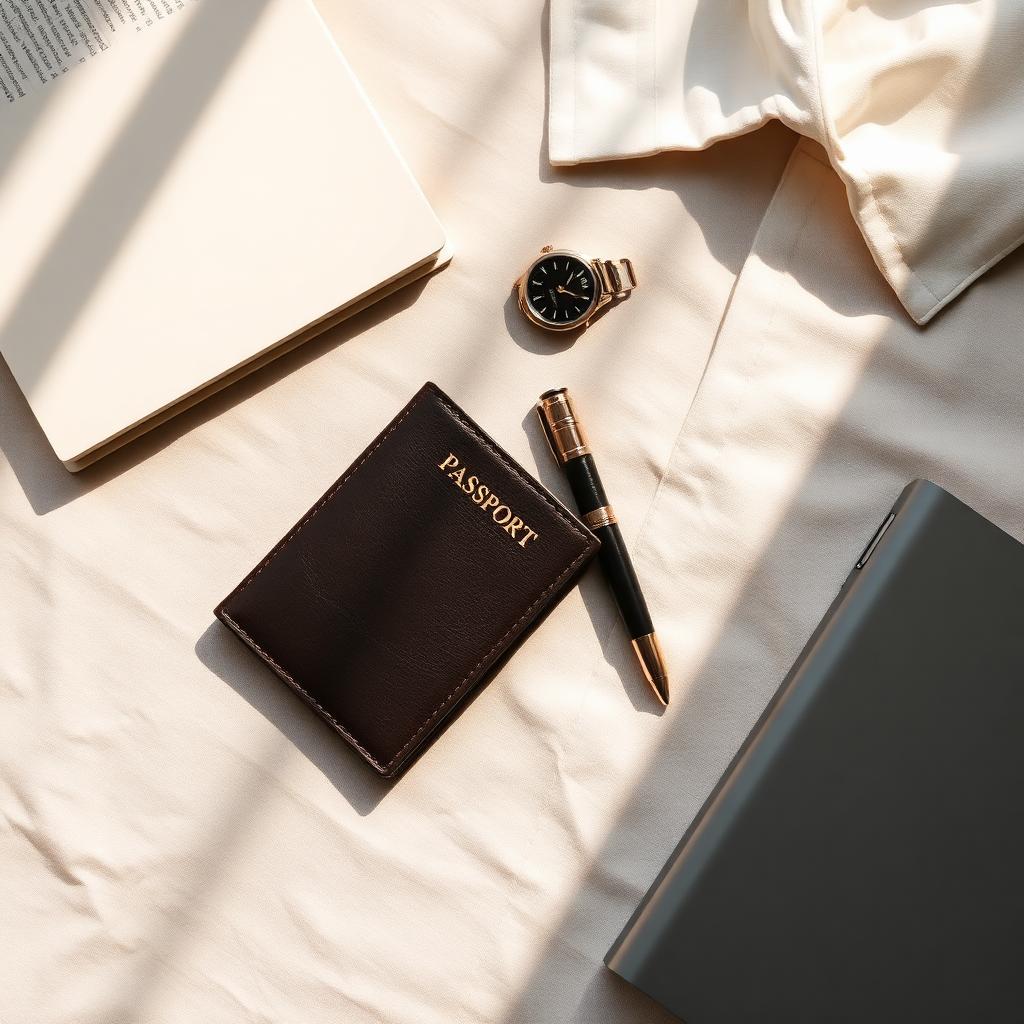
- One linen overshirt in a forgiving mid-tone. It hides wrinkles, doubles as a light jacket, and dries overnight on a hotel hanger.
- Two t-shirts and one long-sleeve, all in the same color family. Restricting the palette makes everything mix.
- One pair of dark trousers that can be dressed up with a belt and down with a t-shirt. Wool blend if you can find it; it does not hold smell.
- Two pairs of socks. Wool, not cotton. Wash one, wear one.
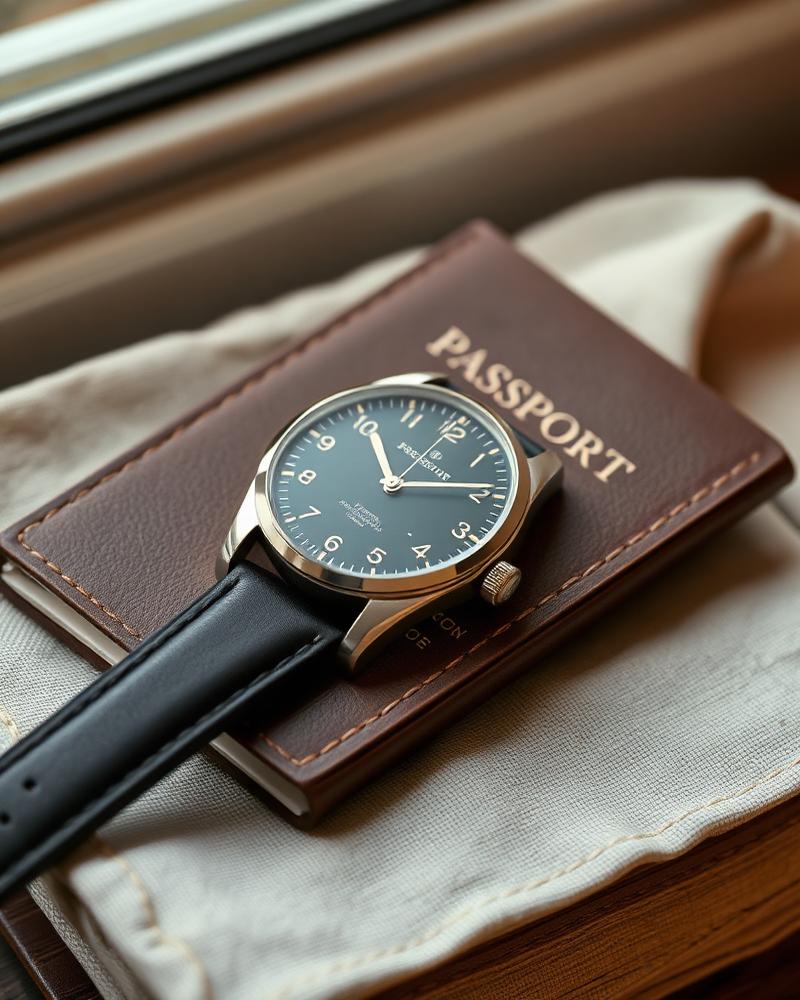
- A single mechanical watch. No charger, no notifications, no temptation to look at it for the wrong reasons.
- A leather passport wallet that has been beaten up enough to be unsentimental. Carry cards, cash, and a printed copy of your itinerary inside it.
- A small notebook and a real pen. You will use them more than you think.
- A paperback you actually intend to finish. One. Not three.
The technology question
Most carry-on advice now skips lightly over the technology and lingers on the linen. This is a mistake. The single heaviest, most fragile, and most stress-inducing category in the bag is the one with the cables. Take it seriously and the rest becomes easier.
A phone, a single charger that handles every device you own, a short braided cable, and a pair of wired earphones in a small pouch. That is the entire kit. Skip the laptop unless you are working; an iPad with a cover keyboard is lighter, more durable, and will outlast a single international flight on its battery. A universal travel adapter belongs in the same pouch so you do not lose it.
What to leave at home
The decisions about what to leave behind are more revealing than the decisions about what to bring. A short list of things I no longer pack: a second pair of shoes (the first will do), a hairdryer (every hotel has one and most rentals do too), a travel pillow (the linen overshirt rolls up to do the same job), a paperback I am only half-interested in, and any clothing in white.
The bag itself
A good carry-on bag is a one-time decision that pays back over years. The best bags share three traits: a single main compartment, an exterior with no decoration, and stitching that you trust without thinking about it. Soft-sided beats hard-sided for the simple reason that an extra centimeter of give is the difference between making the overhead bin and not.
Avoid bags with prominent logos. The whole point of carrying less is to draw less attention to the carrying. A bag that looks like a million other bags, and is internally far better organized than any of them, is the bag you want.
A short ritual at the door
Before you leave, put the packed bag on a scale. Make a note of the weight. The next time you pack, try to land within a hundred grams of the same number. Over time, this small accounting changes what you bring without you having to think about it. The bag becomes lighter, and so, almost by accident, does the trip.
The point is not the objects. The point is the editing — the slow, sometimes uncomfortable practice of asking, of each thing, whether it has earned the right to come with you. Most haven't. The ones that have will repay the attention every day you are away.

Conversation
Be the first to comment
Comments are reviewed automatically before they appear. Please keep it respectful.
Loading comments…