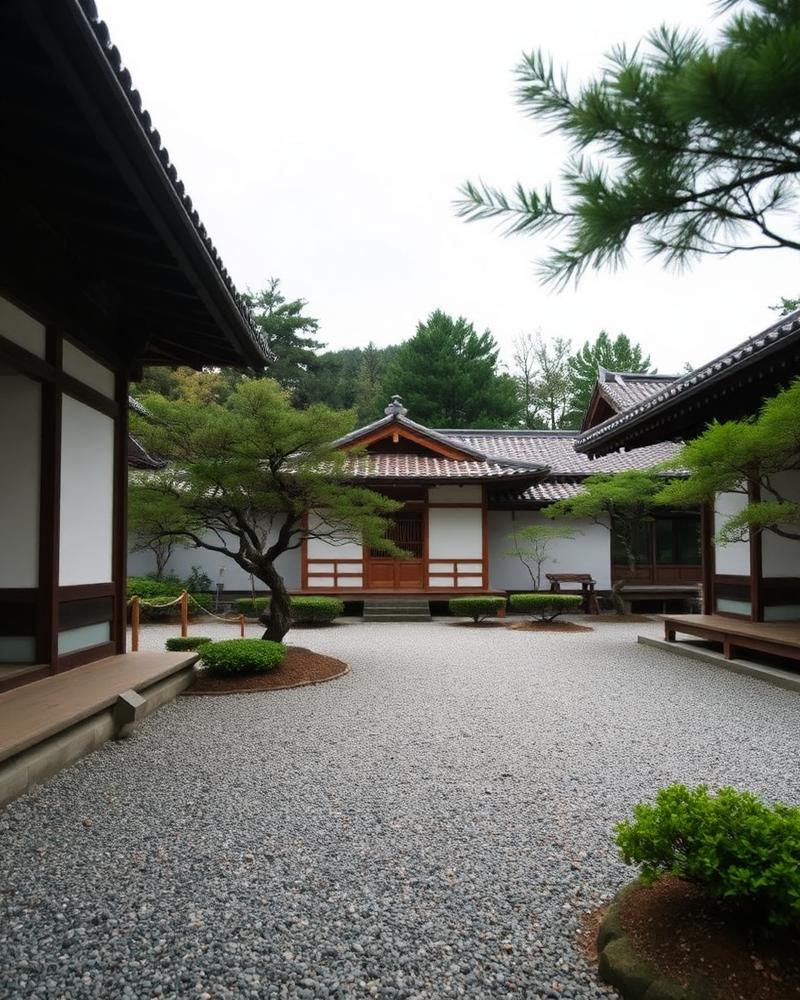
The first time you sit on the tatami, you understand that everything that has happened in the last hour was the ceremony. The slow walk through the garden. The pause at the stone basin to rinse your hands. The crouch through the low entry, designed to make every guest, regardless of rank, arrive bowed. None of this was preamble. All of it was already the tea.
Kyoto has held this knowledge for four hundred years. What is interesting now is that a younger generation of tea masters is choosing to share it — not as a museum reenactment, but as a living, slightly modernized form. Across Higashiyama and Nakagyo, forgotten machiya townhouses are quietly reopening as working tea rooms, and the experience inside them is unlike any package tour offering.
Tradition as a conversation, not a script
The grand tea ceremonies of the past — the ones depicted in films and tourist brochures — were performances of social hierarchy as much as they were performances of tea. The new generation of practitioners has gently set that aside. Their gatherings are smaller, more conversational, and far more interested in the actual taste of the matcha than in the choreography around it.
This does not mean the form has been abandoned. The fundamental sequence of a chaji — the full meal-and-tea gathering — remains intact. Charcoal is laid in the hearth in the same order it has been laid for centuries. The whisk is rinsed in the same arc. The seasonal sweet still arrives before the thick tea. What has changed is the spirit. The hosts speak more. The guests are allowed to ask questions. The silence, when it comes, is chosen rather than enforced.
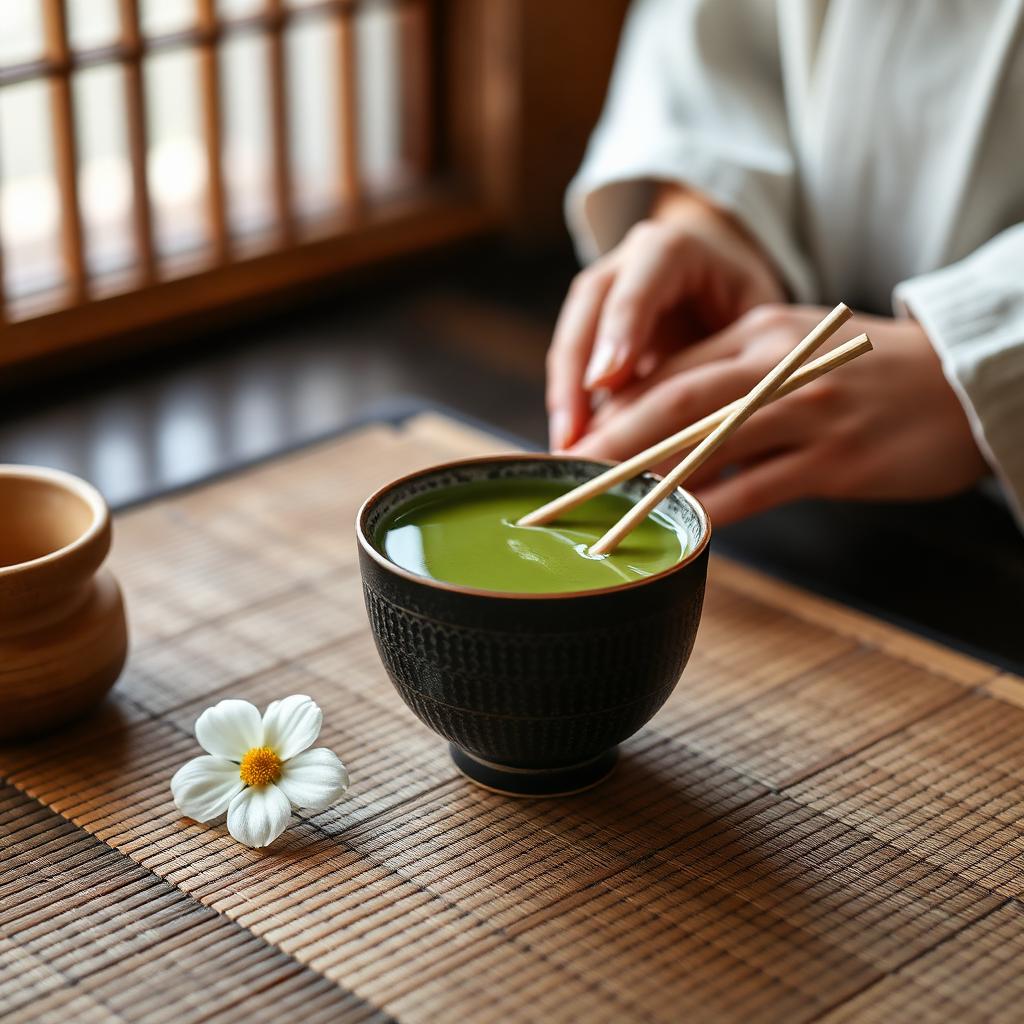
"We are not preserving a form. We are continuing a conversation. The bowl is the punctuation."
— A Higashiyama tea master
The architecture of attention
A tea house is a small building designed to do one thing extremely well: to focus the attention of the people inside it. The standard chashitsu is four and a half tatami mats — about seven square meters. The ceiling is low. The entry, the nijiriguchi, is so small that adults must enter on their knees. The single window is positioned to catch the seasonal light at exactly the angle the host has chosen for that gathering.
Inside, almost nothing competes for the eye. A scroll in the alcove, chosen for the season. A single flower, often only opening that morning. The kettle on the hearth. The tea bowl, when it arrives, is the most colorful thing in the room. The architecture does the work that decoration would do badly. By the time the host has prepared the tea, you have been gently trained to notice.
The new tea houses to know
Several younger tea masters in Kyoto now open their houses to small groups of visitors a few mornings each week. The bookings are not advertised loudly and require some advance planning, but the experience is different in kind from the brisk hotel-based ceremonies aimed at tourists. Expect a session to last between ninety minutes and two hours. Expect not to take photographs. Expect, by the end, to feel as though the rest of the day has rearranged itself around what you have just done.
- Reserve at least three weeks ahead. The serious houses host only one or two parties a day.
- Wear simple, soft clothing in muted tones. Bright colors and strong perfume are gently discouraged.
- Bring clean white socks. You will leave your shoes at the entrance and walk on the tatami.
- Arrive ten minutes early. Tardiness is the only true breach of etiquette and is felt as a small unkindness.
- Switch off your phone before entering the garden, not after sitting down. The transition begins at the gate.
- Eat lightly beforehand. Most ceremonies include a small seasonal sweet that is meant to land on a near-empty palate.
What the bowl actually tastes like
Good ceremonial matcha tastes nothing like the powdered matcha used in lattes outside Japan. The texture is closer to warm cream than to tea. The bitterness is short and clean. The aftertaste — what the Japanese call atoaji — lingers on the back of the tongue for the better part of an hour. A first-time guest is often surprised by how full a single small bowl feels. That fullness is the point. The ceremony is not built around quantity.
Why this matters beyond Kyoto
It is tempting to read the tea house renaissance as a local story — a charming detail of a city already over-described. It is more than that. The argument these younger tea masters are making is, at its core, an argument about how any inherited form might be carried forward without being either embalmed or abandoned. Edit gently. Update the framing, not the substance. Trust that the guest, given a quiet room and a single beautiful object, will rise to meet it.
That argument travels well. The same instinct is visible in the kitchens of Saigon, the construction sites of the Engadin, and the small hotels of Aoyama. None of these places are doing exactly the same work. All of them are answering the same quiet question: what does it look like to take something old seriously enough to change it?
By the time you step back out through the garden into a Higashiyama street that is, suddenly, much louder than you remembered, you have your own provisional answer. The form continues. The form changes. The bowl, somewhere behind you, is being rinsed for the next guest, and the conversation, four hundred years on, has not stopped.


Conversation
Be the first to comment
Comments are reviewed automatically before they appear. Please keep it respectful.
Loading comments…