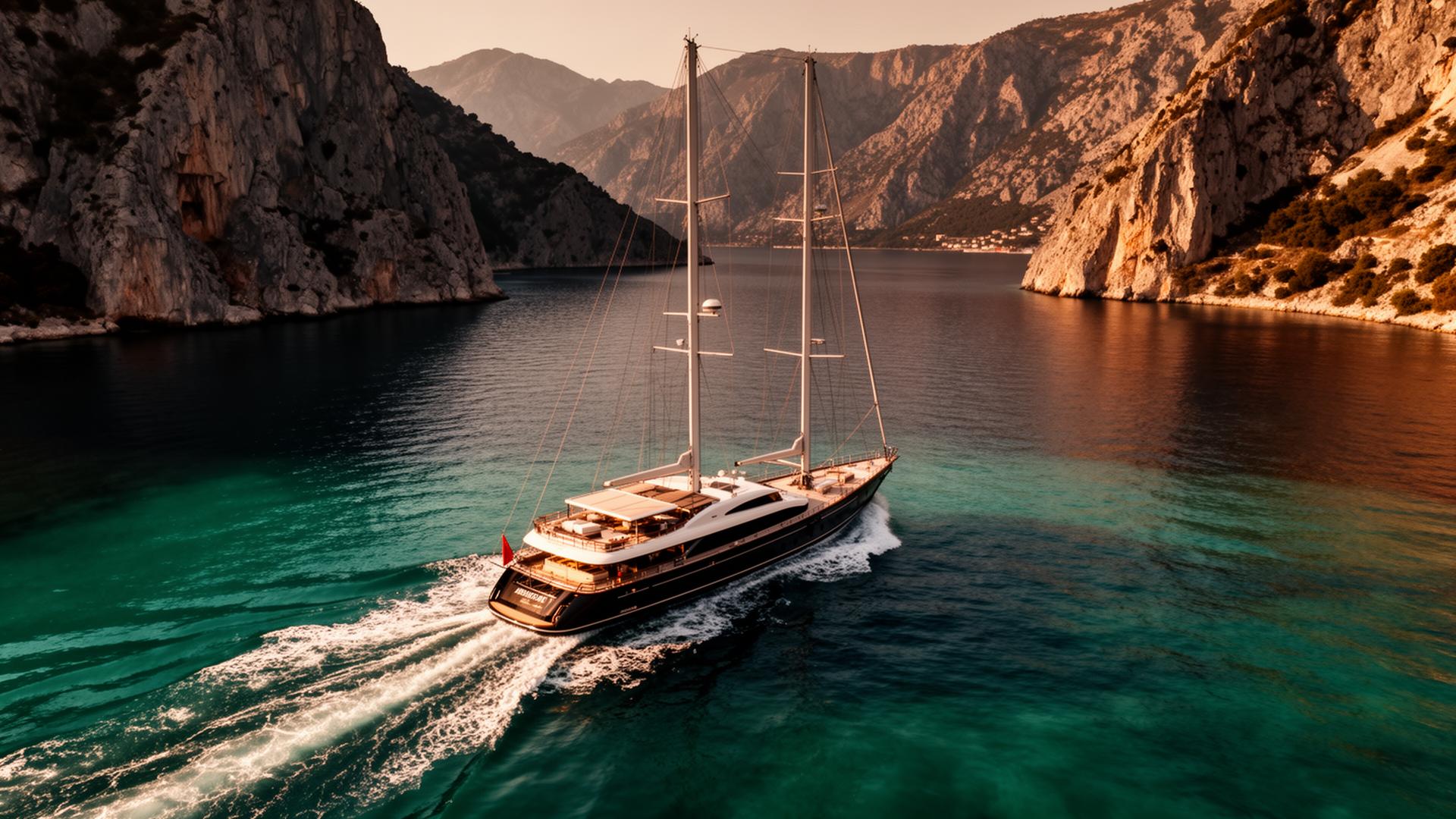
The Bay of Kotor opens slowly. From the water, the limestone walls of the surrounding mountains rise without apology, and the air carries the faint smell of pine and salt. Montenegro is a country of contradictions — post-Yugoslav in memory, Adriatic in temperament, and increasingly, a quiet laboratory for what a contemporary European coastline can look like when it chooses growth on its own terms.
For decades, the country sat in the long shadow of its more photogenic neighbors. Croatia took the cruise ships. Italy took the magazines. Montenegro was a footnote, the dark mountain at the bottom of the map. That has begun to change, but not in the way travelers familiar with the rest of the Adriatic might expect. A new generation of architects, restaurateurs, and small hoteliers has set up here precisely because the place still resists easy summary.
This is not a story about a destination being discovered. It is a story about a destination choosing, very carefully, how it would like to be seen.
A coastline rewritten by restraint
The drive from Tivat to Perast is a study in restraint. The road clings to the water, and every few kilometers there is a stone village that has been here for five centuries — Stoliv, Prčanj, Dobrota — each one folded into the slope like a piece of weathered driftwood. The newer buildings, the ones that work, borrow this restraint. They sit low against the rock, use local stone where they can, and let the bay do the talking.
What is striking is how much of this is being driven not by foreign investors but by Montenegrin practices returning home. Studios trained in Zurich, Milan, and Belgrade are arriving with a different vocabulary than the one that defined the early 2000s Adriatic boom. There is less marble. There are fewer columns. The new lobbies are smaller than the old kitchens.
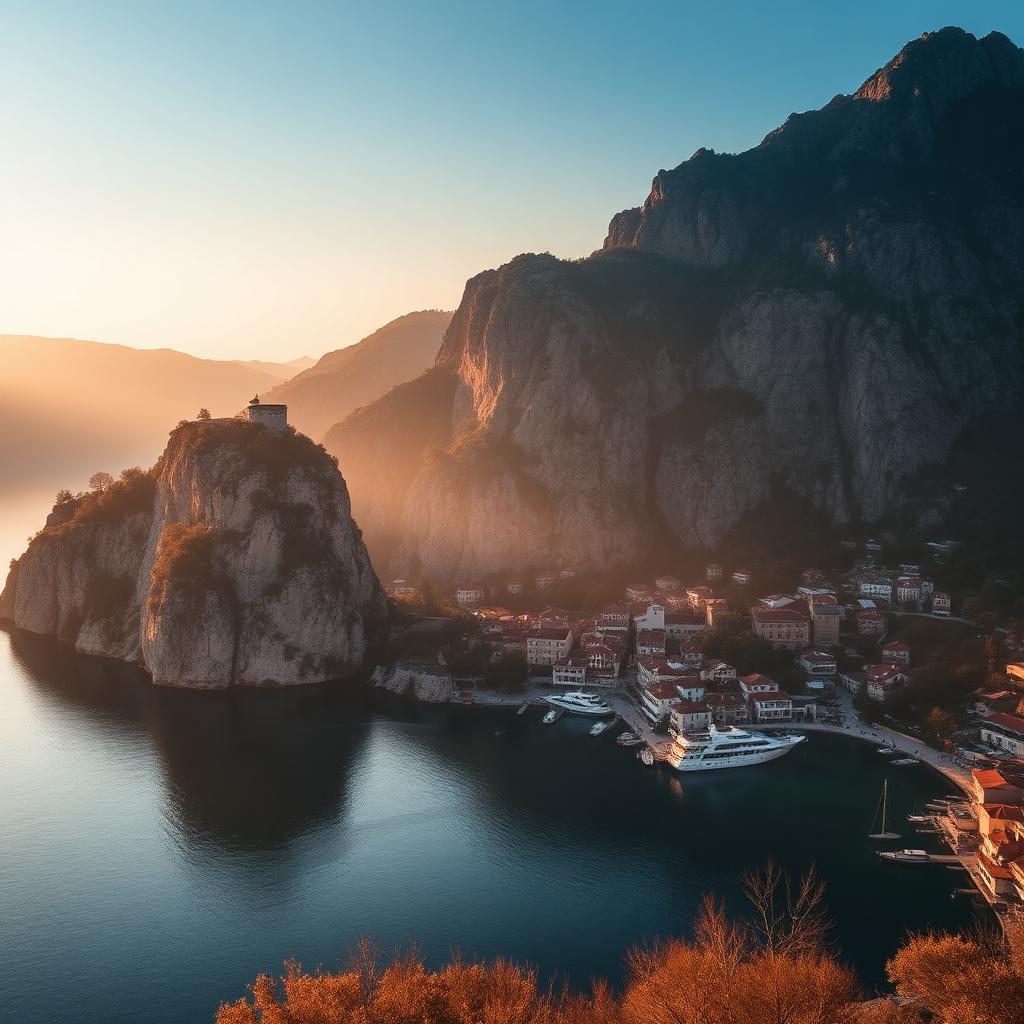
"We did not want a building that announced itself. The bay has been speaking for a thousand years. Our job was to listen and to add as little as possible."
— Marija Kovač, architect
The slow food of the inner bay
Food in Montenegro carries the same instinct toward modesty. The most memorable meals on the bay are not the ones served on white tablecloths but the ones served on rough oak under a vine, somewhere between Perast and Risan. Grilled adriatic fish, a half-bottle of Vranac, bread that arrived without being asked for. The bill, when it comes, is written by hand on the back of a receipt.
Local chefs talk about a kind of cooking that did not need to be invented because it never went away. Sea bass baked under salt. Smoked Njeguški pršut from the village above the bay, sliced thin enough to read through. Black risotto colored with cuttlefish ink the same way it has been colored here for generations. None of this is marketed as a movement. It is simply what is on the table.
Walking Kotor without a map
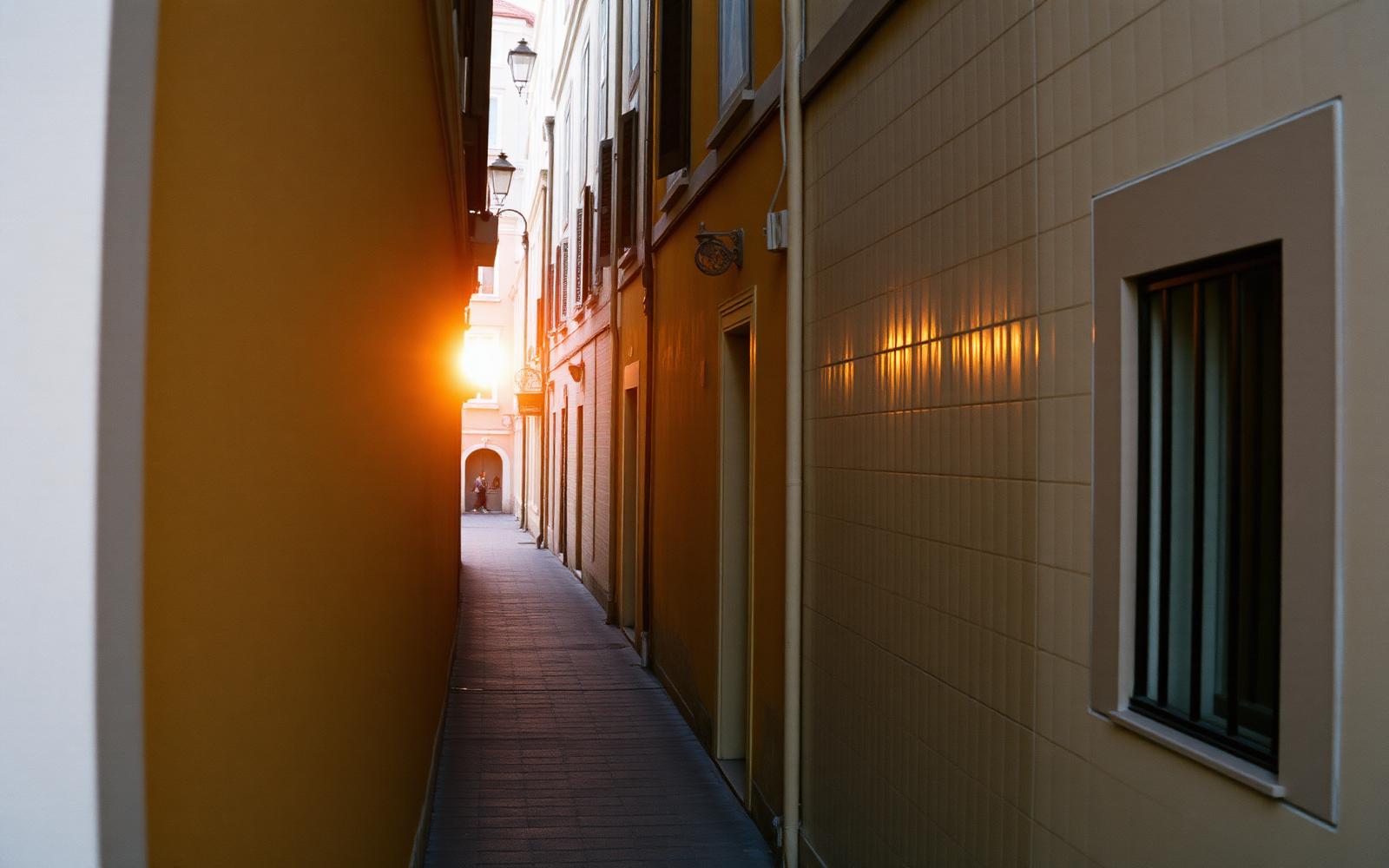
The old town of Kotor is small enough that a map is mostly a courtesy. The pleasure is in losing the thread — turning into a courtyard you did not know existed, finding a Romanesque doorway behind a tangle of bougainvillea, climbing a staircase that ends at a single iron bench overlooking the roofs. The fortress walls above the town offer the postcard view, but the better hours are spent at sea level, drinking strong coffee in a square named after a fourteenth-century captain whose tomb is still inside the cathedral.
It is tempting to read all of this as a story about luxury. It is not. It is a story about scale, about what happens when a place decides, slowly and deliberately, that it will not be ruined.
Beyond the bay: Lovćen and the mountain road
Twenty-five switchbacks above Kotor, the road climbs into Lovćen National Park. The temperature drops. The cypresses give way to pine. At the summit, the mausoleum of the poet-prince Petar II Petrović-Njegoš sits in a stark stone chamber carved into the rock — a piece of national mythology that doubles as one of the most quietly moving pieces of late-modern architecture in Europe.
Continuing inland, the old royal capital of Cetinje feels almost provincial after the polish of the coast. That is the point. The embassies are nineteenth-century townhouses. The bookshops still sell typewritten poetry. A long espresso in the main square costs less than a postcard at the port.
When to visit, what to pack, how to move
Montenegro rewards travelers who plan around weather and light rather than calendar. The high season pushes the coast past its sensible capacity. Shoulder seasons are quieter, cheaper, and the bay's microclimate keeps the water swimmable into early October.
- Fly into Tivat (TIV). The airport is smaller and far closer to the bay than Podgorica, and rental cars are typically half the price.
- Shoulder seasons (mid-May to mid-June, and all of September) offer the best combination of warm sea, soft light, and breathable old towns.
- Carry euros in small notes. Many of the most beloved konobas — the family-run taverns of the bay — still prefer cash and do not advertise the fact.
- Drive slowly on the coast road. There are no shortcuts, and the road is the point. Allow two hours for any journey that looks like one on the map.
- Pack a light wool layer for evenings, even in August. The wind off the inner bay turns sharp after sundown.
- Download offline maps. Mobile signal is patchy in the tunnels and on the inland switchbacks.
Three quiet places to stay
Avoid the large international chains on the open coast. The most interesting hospitality on the bay is in restored stone palaces with five to twelve rooms, run by families who have been in the village for generations. Look for properties in Perast and Dobrota for the calmest water and the shortest walk to dinner. Book directly when you can; the local hosts will almost always offer a better rate than the aggregators.
By the time the boat returns to the dock, the light has gone soft. The mountains have turned from gold to slate. There is no announcement, no closing fanfare — only the sound of water against stone, and the sense that you have visited a place that, for now, still belongs to itself. Whether it stays that way depends less on the travelers who arrive than on the patience of the people who never left.
Questions, answered
Frequently asked
When is the best time to visit Montenegro's Bay of Kotor?
Mid-May to mid-June and the whole of September are the sweet spots. The water is warm, the inner-bay light is soft all day, and the coast road is quiet enough to enjoy slowly. July and August push the bay past its sensible capacity.
Should I fly into Tivat or Podgorica?
Tivat (TIV) is dramatically more convenient if you are staying on the bay. The airport is small, sits at sea level minutes from Kotor, and car rentals are typically half the price of Podgorica.
How many days do I need on the Bay of Kotor?
Four to five nights is the honest minimum if you want to combine the inner bay villages, a day in old Kotor, and a drive up to Lovćen and Cetinje. A week lets the pace breathe.
Is Montenegro expensive?
Compared to neighbouring Croatia or coastal Italy, no. A well-chosen family-run konoba lunch costs a fraction of a comparable meal in Hvar or Capri, and the small stone-house hotels of Perast and Dobrota are excellent value off-season.
Conversation
Be the first to comment
Comments are reviewed automatically before they appear. Please keep it respectful.
Loading comments…