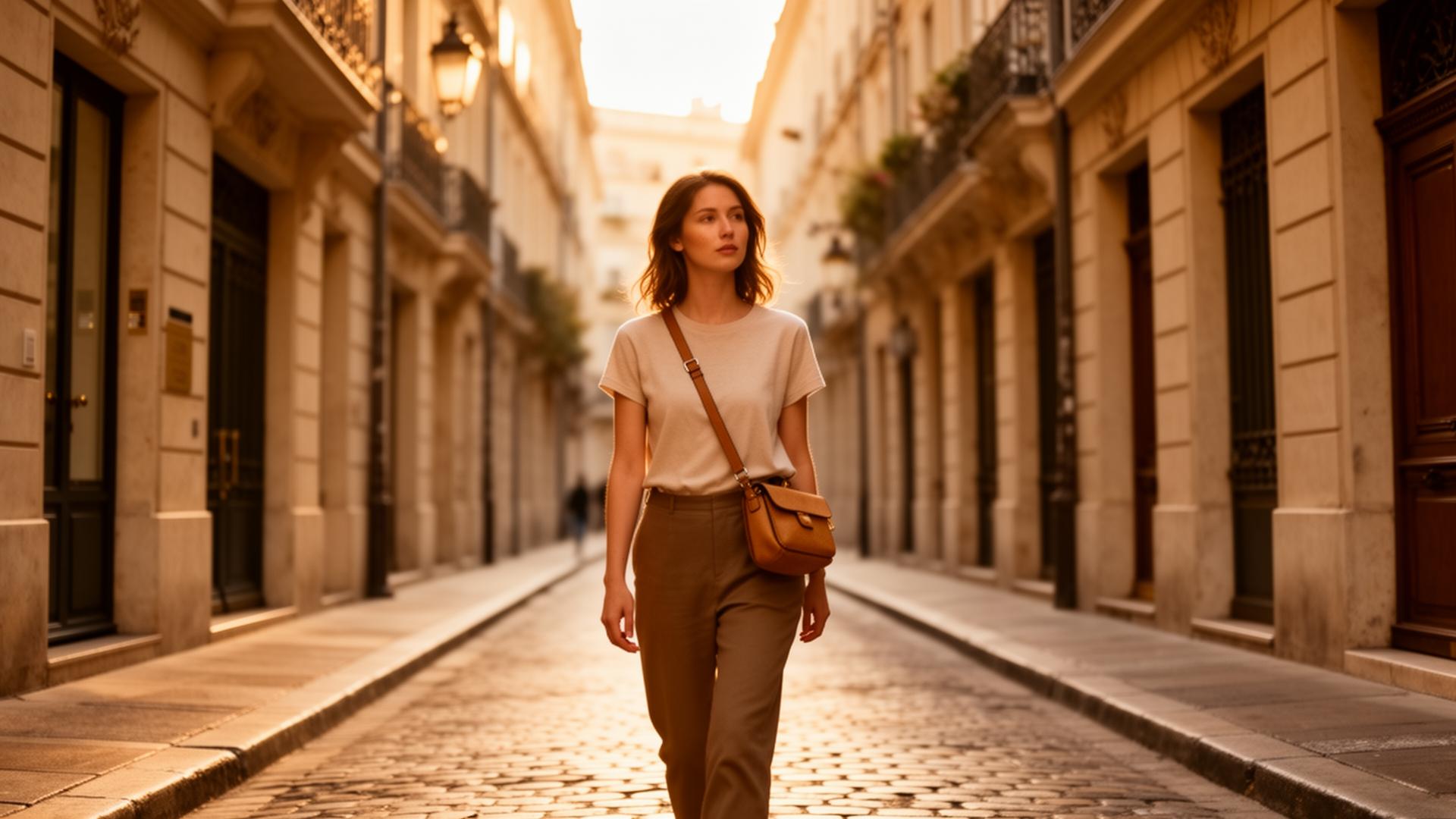
A smarter city walking system is not about making travel look effortless from the outside. It is about removing the small points of friction that make good trips feel scattered: the cable you cannot find at the gate, the jacket that works in the taxi but not after sunset, the bag that fits the airline rule but not the rhythm of a real day. The best travel tips are rarely dramatic. They are quiet systems, repeated until the trip has room to become memorable.
This guide was written for travelers who want to see cities on foot without looking lost, overloaded, or distracted. It combines editorial restraint with the practical details searchers actually need before they leave: what to pack, how to organize it, what bag size works, what to avoid, and how to move through the first twenty-four hours without losing the calm you came to find.
Why this travel tip matters
Most bad travel days begin before the journey does. They begin with overconfidence, a vague packing list, or an itinerary built around someone else's tolerance for rushing. A premium trip is not always the most expensive one; it is the one in which your essentials are where they should be, your energy is protected, and your decisions are made before the pressure arrives.
The goal is not minimalism as performance. The goal is usefulness. Bring fewer things, but make each one earn its place. Plan less aggressively, but plan the first and last hour of every travel day carefully. Leave space in the schedule for weather, hunger, and the ordinary human delays that glossy itineraries pretend do not exist.
Quick Packing Checklist
- Comfortable shoes tested for at least 10,000 steps
- Small crossbody bag worn toward the front in crowds
- Offline map with saved hotel and lunch anchors
- One light layer for shade, churches, galleries, and evening wind
- Water bottle and one small snack
- A card stored separately from the main wallet
Essential Carry-On Setup
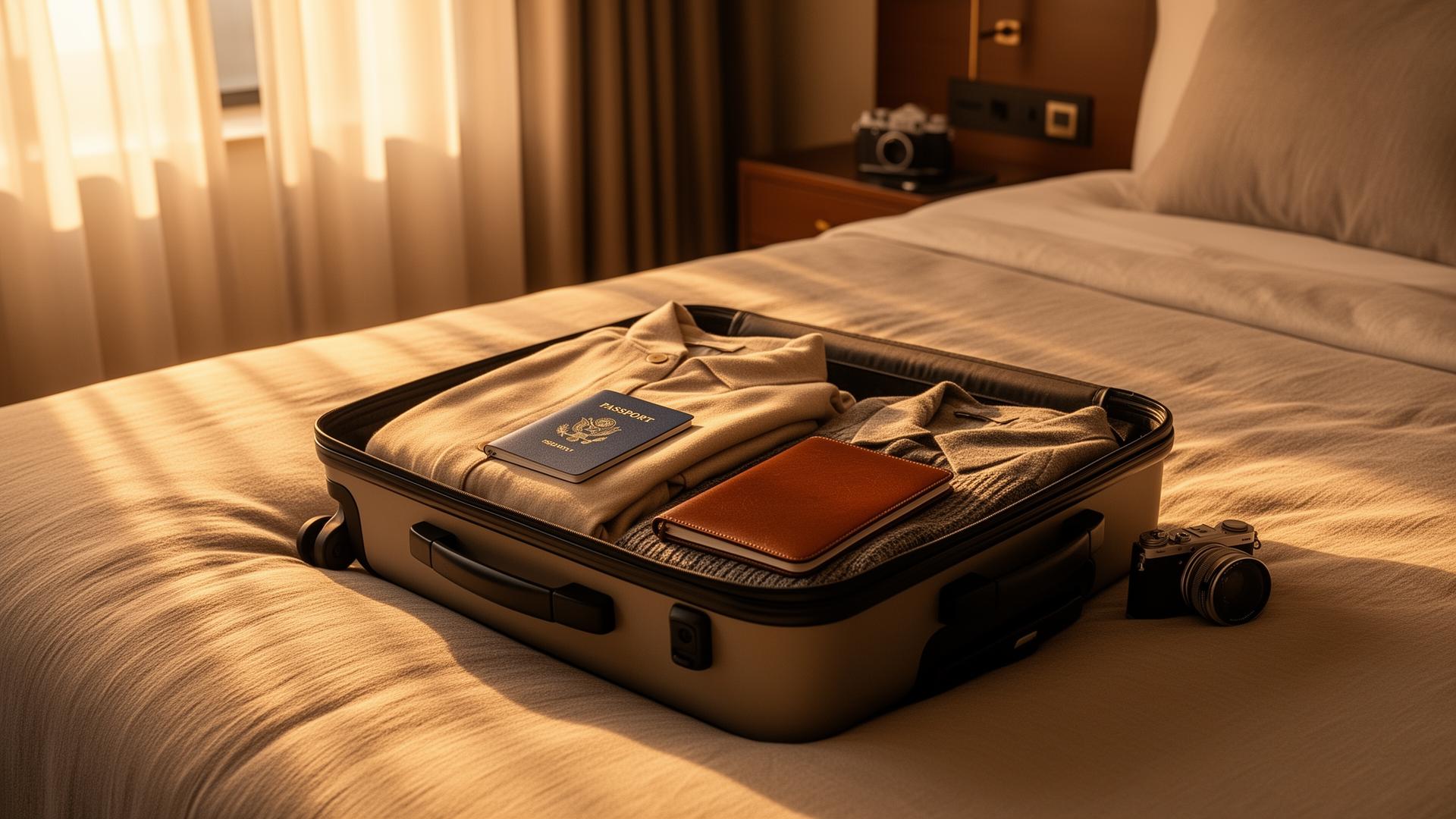
Your carry-on should behave like a small, mobile apartment: documents in one pocket, power in one pouch, comfort in one layer, and valuables never more than an arm's length away. If you have to open the main compartment in public to find something urgent, the system is not finished.
- Phone and card in separate zipped compartments
- Camera or sunglasses clipped inside the bag, not hanging loose
- Printed hotel name or business card in a hidden pocket
- Tiny pouch with blister plaster, pain relief, and lip balm
Recommended Bag Size
Carry a 3–7 liter crossbody or sling bag that sits close to the body and never needs to be removed to access essentials. If it cannot hold water, phone, card, keys, and a light layer, it is too small; if it swings while walking, it is too large.
The practical routine
Plan a direction, not a minute-by-minute route. Choose one anchor for morning coffee, one anchor for lunch, and one anchor for the late afternoon. The walk between them is where the city begins to explain itself.
- Walk early for orientation and late for atmosphere; rest at midday.
- Use side streets parallel to famous roads when crowds become dense.
- Stop fully before checking directions; do not drift while looking at a phone.
- Return by a different route only when daylight and energy are still with you.
Common mistakes to avoid
The fastest way to make a trip feel cheap is not choosing the wrong hotel. It is ignoring the small logistics that create stress in public: overweight bags, dead phones, missing addresses, shoes that punish you after lunch, and arrival plans that depend on perfect Wi‑Fi.
- Wearing brand-new shoes on the first full day
- Carrying every document instead of leaving backups secured
- Following map instructions through streets that feel wrong
- Photographing constantly and missing traffic, steps, and social cues
How to make it feel premium
The most elegant city travelers are not overdressed; they are appropriately dressed. Their shoes are quiet, their bag is close, their phone is not always in their hand, and their route has enough looseness for discovery.
The luxury is not in carrying expensive objects. It is in never needing to unpack your whole life to solve a small problem. A good system turns the airport, train platform, hotel lobby, or unfamiliar street into a place you can move through with composure. That composure is what other travelers mistake for style.
Questions, answered
Frequently asked
What is the most important rule for a smarter city walking system?
Keep the system simple enough to repeat under pressure. If a packing or planning method only works when you are relaxed at home, it will fail in the airport, station, or hotel lobby.
How big should my travel bag be?
Carry a 3–7 liter crossbody or sling bag that sits close to the body and never needs to be removed to access essentials. If it cannot hold water, phone, card, keys, and a light layer, it is too small; if it swings while walking, it is too large.
Should I travel with only a carry-on?
For trips under ten days, yes when laundry is possible. A carry-on saves time, reduces lost-luggage risk, and forces better editing. For formal events, winter equipment, or family travel, checked luggage can still be sensible.
How do I make travel feel more luxurious without spending more?
Protect sleep, reduce bag weight, book slower connections, arrive with local currency and offline maps, and leave one unscheduled block each day. Calm is the most reliable form of luxury.
Conversation
Be the first to comment
Comments are reviewed automatically before they appear. Please keep it respectful.
Loading comments…