The first thing you notice in Lake Como is not the famous view but the cadence underneath it. There is a rhythm to the way the day begins here, slower than the airport made you expect, and within a few hours it has already started to rearrange the way you measure time. This is the small, useful gift of arriving in a place that has not built itself around the visitor: you adjust to it rather than the other way around.
This dispatch is for travelers heading to Lake Como in Italy because the lake teaches you, by example, how to begin a day properly. It is not a checklist — there are dozens of those already, written better than I could improve on — but a slower, more opinionated guide to the quiet villages of the eastern shore — Varenna, Bellano, and Lierna. The aim is to leave you with a sense of what the place actually feels like at sea level and at six in the morning, and with a small handful of practical decisions made for you in advance.
I have been coming back here long enough to have my own list of mistakes. Almost all of them were the same mistake — moving too quickly. Distances are short. The interesting hours are early and late. The middle of the day is for sitting in a café with a notebook and learning the difference between the locals who live here and the locals who only work here. That distinction, more than any guidebook tag, is the one that gradually shows you what to do next.
A short history that explains the present
Every place is, in part, the consequence of an argument it lost or won a hundred years ago. Lake Como is no different. The street pattern, the height of the buildings, the way the market is laid out at the foot of the old church — none of these were inevitable. They are the result of decisions made by people who are no longer here, and they shape, far more than current trends, the texture of the present. Knowing even a little of that history reframes everything you see on your first day.
Locals talk about the last twenty years as a turning point. The wave of mass tourism that flattened so many comparable cities arrived later here, partly by accident and partly by design. The cost of that delay was years of underinvestment; the benefit, slowly visible now, is that the practices doing the most interesting work today — small architects, family restaurateurs, independent shopkeepers — found enough room to grow before the multinationals got here. The result is a city that still feels, on most streets, like a place that has more residents than guests.
That balance is not guaranteed. The same conversations happening in Lisbon and Barcelona five years ago are starting to happen here too — about short-term rentals, about cruise terminals, about who the centre is actually for. The polite, deliberate way Lake Como is having those conversations is itself worth paying attention to. Travelers who care about the places they visit will recognise the stakes immediately.
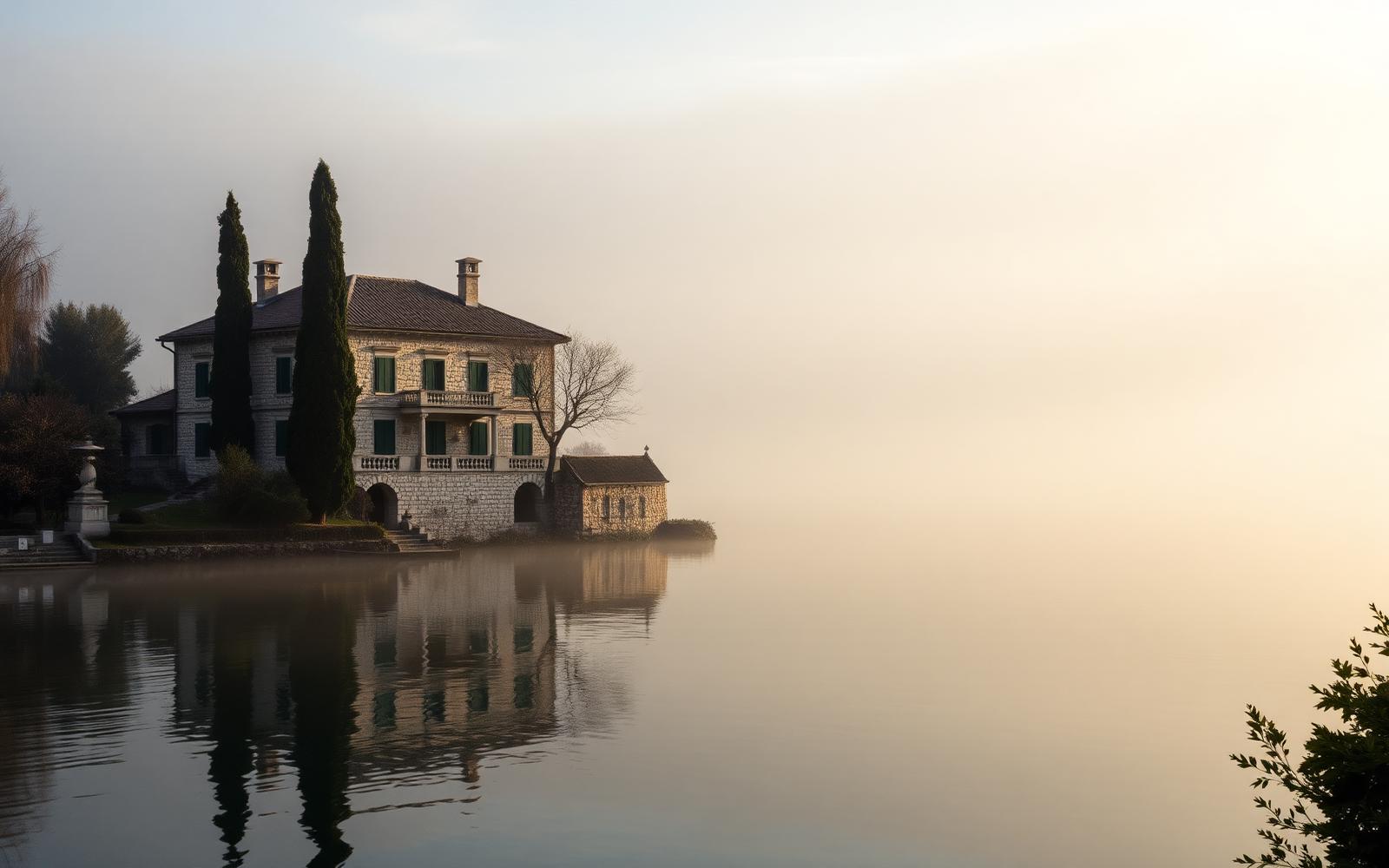
What to actually do, in order
Begin slowly. On the first morning, walk in a single direction for an hour without consulting a map. The disorientation is the point — it stops you from importing the itinerary you had on the plane and starts replacing it with one tied to the actual streets. Stop somewhere small for coffee. Order what the person next to you ordered. Do not photograph it. Sit until you have finished it. By the time you stand up, the day will have given you more direction than any list could.
On the second day, choose one neighbourhood and stay inside it from breakfast through dinner. Eat three meals in three different places within a ten-minute walk of each other. Watch the same square change hands between the morning crowd, the lunchtime crowd, the late afternoon, and the evening. You will see more of how the city actually works in a single repeated location than in a week of moving through it.
Reserve at least one evening for doing nothing in particular. Walk back to wherever you are staying the long way. Take a book to a bench. Buy something small from a shop you noticed earlier. The argument against compressed travel is not aesthetic; it is practical. The hours when you are not consuming anything are often the hours that the trip will turn out to have been about.
"Travel is mostly the patience to keep paying attention after the novelty wears off. The first hour is easy. It is the fourth day that decides whether you understood anything."
— An older guide in Lake Como
Where to eat — and why
The single most useful filter for restaurants in Lake Como is to look for the ones where you can hear people talking. Loud music covers thin food more often than not. Visible cooking is a better sign than a long printed menu. So is a handwritten daily list, in the local language, with three or four items on it. Most of the best meals I have had here were at tables that did not appear on any English-language map.
Eat at lunch. The lunch menus at the serious kitchens are almost always cheaper, more generous, and less rushed than the evening service. The same chefs are cooking. The wine list is often the same. The bill is half. Treat dinner as the lighter meal — a glass of wine and one small dish at a wine bar near where you are staying, then a quiet walk home. This single inversion of the standard order changes the texture of every trip I take.
If you are short on time, skip the famous restaurants. They are not bad — many are excellent — but the queue, the waiting list, and the social performance they require will eat the hours you came to use differently. There is almost always a quieter place doing similar food two streets back, with a wider view and a chair you can lean into.
The morning ritual setup: a practical block you can actually use
Below is the short, opinionated list I keep on my phone for Lake Como. Treat it as a starting point. Edit it as you go. The point is not the items but the act of choosing on your own behalf.
- Arrive on a weekday if you can. Weekend arrivals collide with the local schedule and waste the first afternoon.
- Carry small notes in the local currency. Cards work almost everywhere; the exceptions are the places you actually want to eat at.
- Walk the first day. Public transport is excellent here, but using it on day one robs you of the orientation that a slow walk gives.
- Eat breakfast where the locals eat breakfast. The room will be louder than you expected and the coffee twice as strong.
- Reserve any famous restaurant at least two weeks ahead, or skip it. There is no third option.
- Pack one layer warmer than the forecast suggests. Lake Como mornings and evenings run cooler than the daytime average implies.
- Switch your phone to airplane mode for at least one full day. The trip changes shape immediately.
- Keep a small notebook. The things you write down are the things you actually remember a year later.
A short checklist you can copy onto a card
- One soft layer (wool or fine merino), one waterproof shell, one comfortable walking shoe
- Sunglasses, a small refillable water bottle, lip balm
- Cash in small notes plus one backup card stored separately
- Printed copy of accommodation address — phones die at the worst moments
- A short list of three or four restaurants you actually want to visit, with addresses
What to bring back — and what not to
The pressure to buy something memorable on a trip is one of the more reliable ways to come home with a souvenir that ends up in a drawer. Reverse the question: what do you wish you owned more of in your daily life, that you might find here in a better version than you can find at home? That filter, applied honestly, narrows the list quickly. For Lake Como, the honest answers are usually one beautiful object made by hand, one good piece of clothing in a fabric you do not see at home, and one ingredient you can actually cook with when you get back.
Skip everything else. The photos are the souvenir. The recipes you copy down in a notebook are the souvenir. The names of three people you met and intend to write to are the souvenir. The objects matter less than the habits the trip leaves behind, and the lighter your bag is on the way home, the more likely it is the habits will travel with you.
When to come, and how long to stay
Shoulder seasons are kinder here than the calendar suggests. The crowds thin dramatically after the first cool morning, and the light in the off-season is, by common agreement among the photographers I trust, the best of the year. Avoid the peak month if you can. The places that close in low season are usually the ones aimed at tourists; the places that stay open are the ones that locals depend on, and those are the places you wanted to find anyway.
Five nights is the honest minimum. Three nights forces you into a highlights itinerary that the city does not reward. A week lets the pace breathe and lets you spend a day or two in the nearby small towns that almost no one writes about and that, almost always, turn out to be the part of the trip you describe most when you get home.
A final argument for going slowly
The most useful sentence I have ever heard about travel was from a hotelier in another city entirely, who said that the only meaningful question is whether the place is gentler with you when you leave than when you arrived. By that measure, Lake Como is one of the most generous cities I know. It does almost nothing to impress you. It assumes you will pay attention. It rewards the small disciplines — eating slowly, walking quietly, asking for the local name of a dish — far more reliably than it rewards the ones the algorithms are pushing.
Bring a book. Bring time. Bring less than you usually do. The trip you actually want is, in nine cases out of ten, the one that the city was already arranging for you, and your job is mostly to get out of its way.
Questions, answered
Frequently asked
When is the best time to visit Lake Como?
Shoulder seasons — typically the month before and after the local peak — give you the best combination of weather, light, and a city that still belongs to the people who live in it. Avoid the single peak month if you can.
How many days do I need in Lake Como?
Five nights is the honest minimum. A week lets the pace breathe and includes a day or two in the smaller surrounding towns that almost always end up being the part of the trip you talk about most afterwards.
Is Lake Como expensive?
Compared to the better-known capitals in the region, no. The locals' restaurants, public transport, and small family-run hotels all sit well below what equivalents cost in more famous cities. The biggest cost is usually the international flight, not the days on the ground.
Do I need to speak the local language?
No, but learning three or four polite phrases — hello, thank you, the local word for "delicious" — changes how warmly you are received everywhere. The effort matters more than the accuracy.
Is Lake Como safe for solo travelers?
Yes, with the ordinary precautions any major destination requires. Walking at night in central neighbourhoods is generally fine; keep an eye on your bag in the tourist-dense areas the same way you would anywhere in Europe or Latin America.

Conversation
Be the first to comment
Comments are reviewed automatically before they appear. Please keep it respectful.
Loading comments…