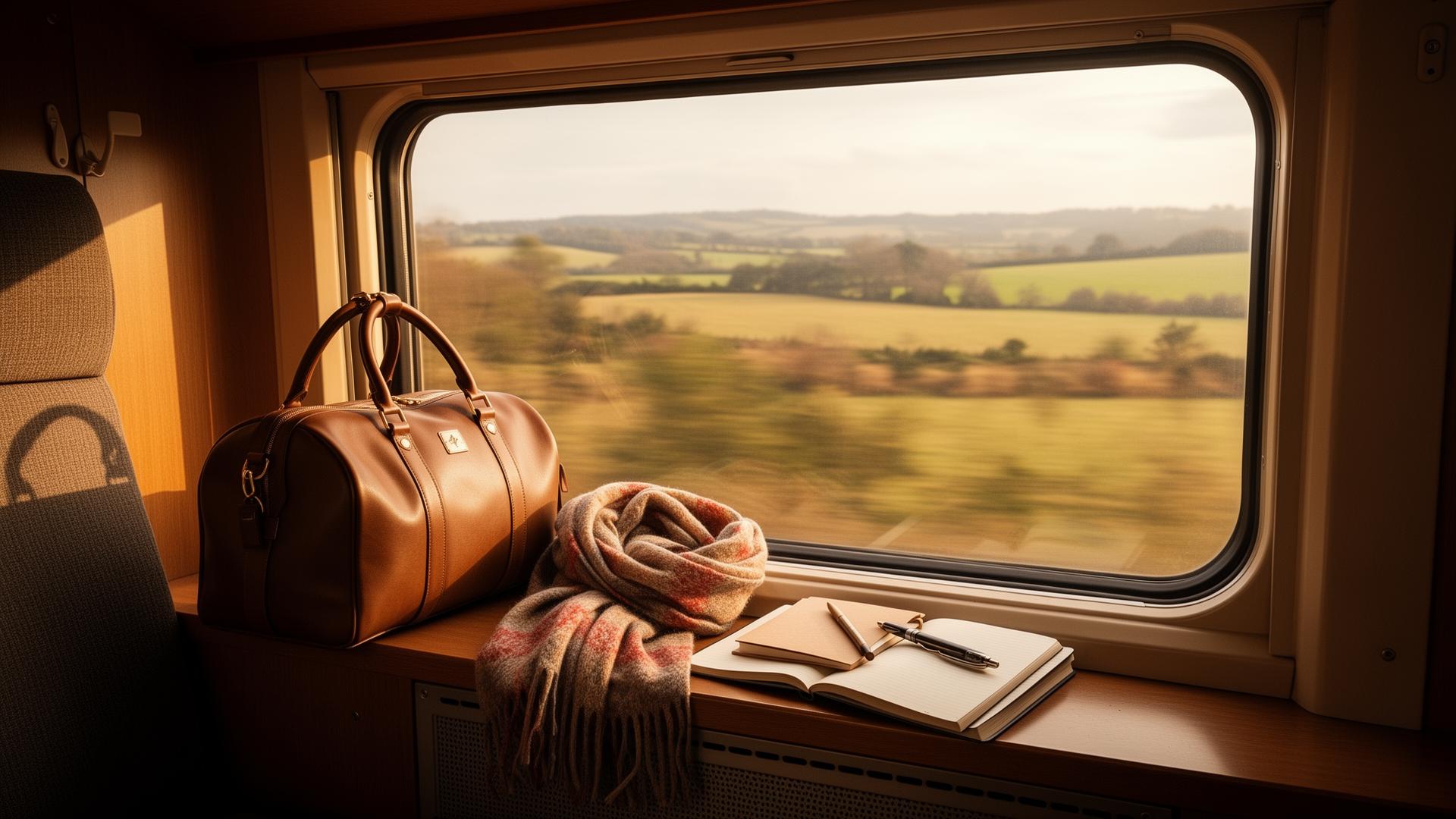
One-bag train travel through Europe is not about making travel look effortless from the outside. It is about removing the small points of friction that make good trips feel scattered: the cable you cannot find at the gate, the jacket that works in the taxi but not after sunset, the bag that fits the airline rule but not the rhythm of a real day. The best travel tips are rarely dramatic. They are quiet systems, repeated until the trip has room to become memorable.
This guide was written for travelers connecting cities by rail who want the romance without the station chaos. It combines editorial restraint with the practical details searchers actually need before they leave: what to pack, how to organize it, what bag size works, what to avoid, and how to move through the first twenty-four hours without losing the calm you came to find.
Why this travel tip matters
Most bad travel days begin before the journey does. They begin with overconfidence, a vague packing list, or an itinerary built around someone else's tolerance for rushing. A premium trip is not always the most expensive one; it is the one in which your essentials are where they should be, your energy is protected, and your decisions are made before the pressure arrives.
The goal is not minimalism as performance. The goal is usefulness. Bring fewer things, but make each one earn its place. Plan less aggressively, but plan the first and last hour of every travel day carefully. Leave space in the schedule for weather, hunger, and the ordinary human delays that glossy itineraries pretend do not exist.
Quick Packing Checklist
- One bag you can lift overhead with one hand
- Digital ticket plus screenshot of carriage and seat
- Water and food bought before boarding
- Scarf or light layer for over-cooled carriages
- Small lock or clip for peace of mind
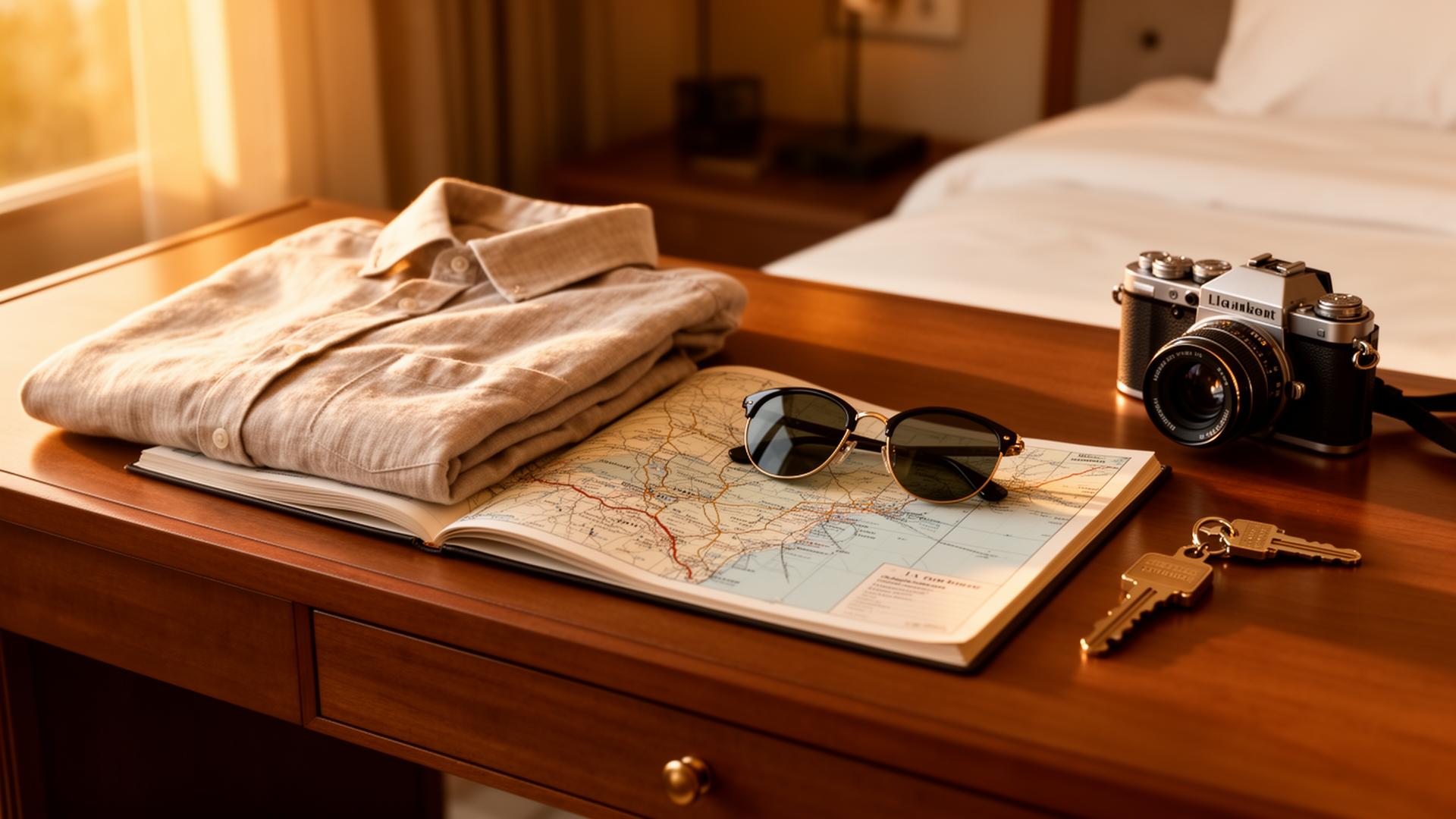
- Offline map of arrival station and hotel route
Essential Carry-On Setup
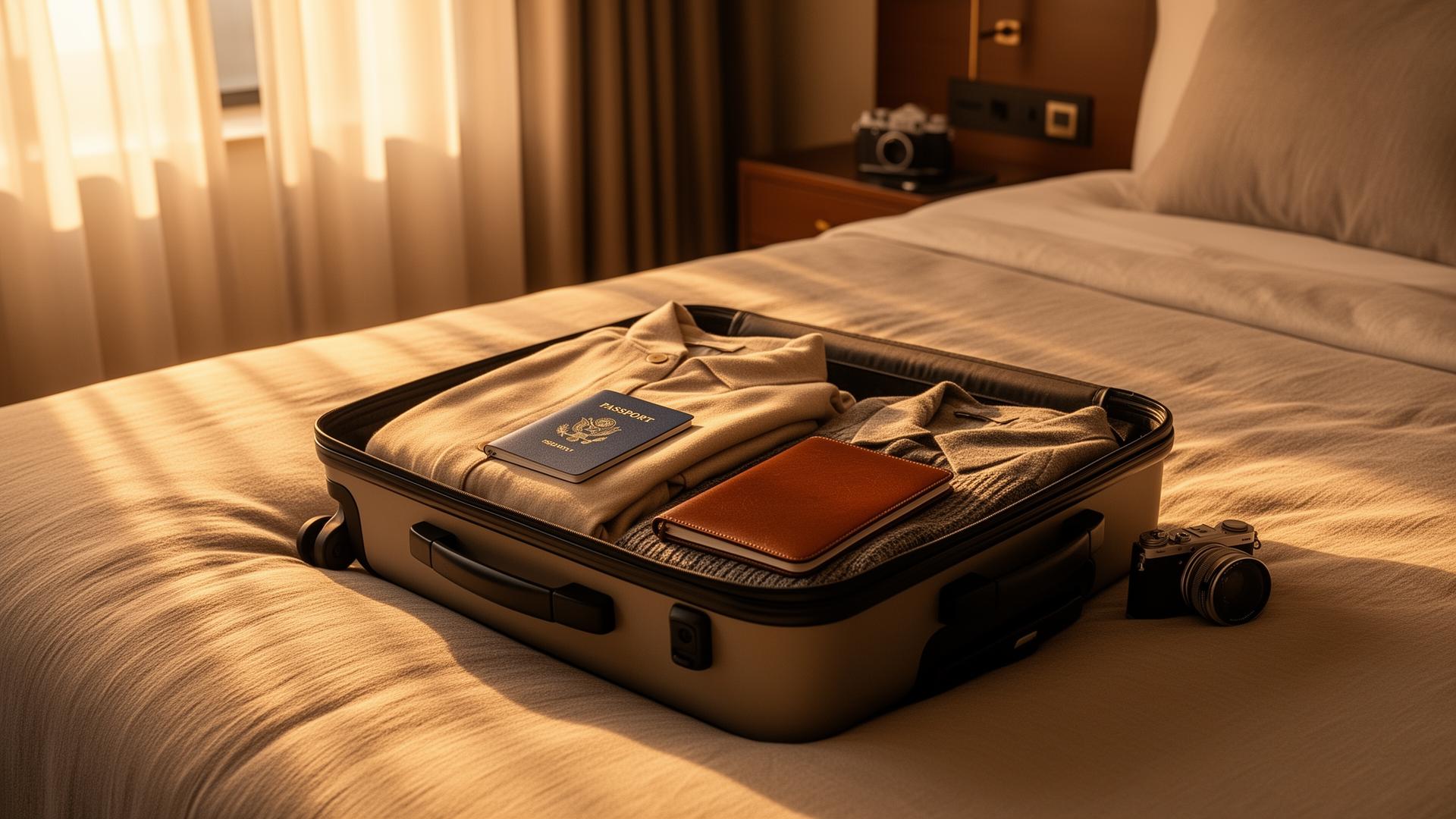
Your carry-on should behave like a small, mobile apartment: documents in one pocket, power in one pouch, comfort in one layer, and valuables never more than an arm's length away. If you have to open the main compartment in public to find something urgent, the system is not finished.
- Outer pocket: ticket, ID, headphones, and small snack
- Inside pouch: charger, battery, and adapter
- Top layer: scarf, book, and notebook for the journey
- Hidden pocket: backup card and emergency cash
Recommended Bag Size
Choose a soft 30–38 liter weekender or compact spinner that can fit above your seat and between train rows. Anything larger becomes a burden on stairs, cobblestones, and crowded regional platforms.
The practical routine
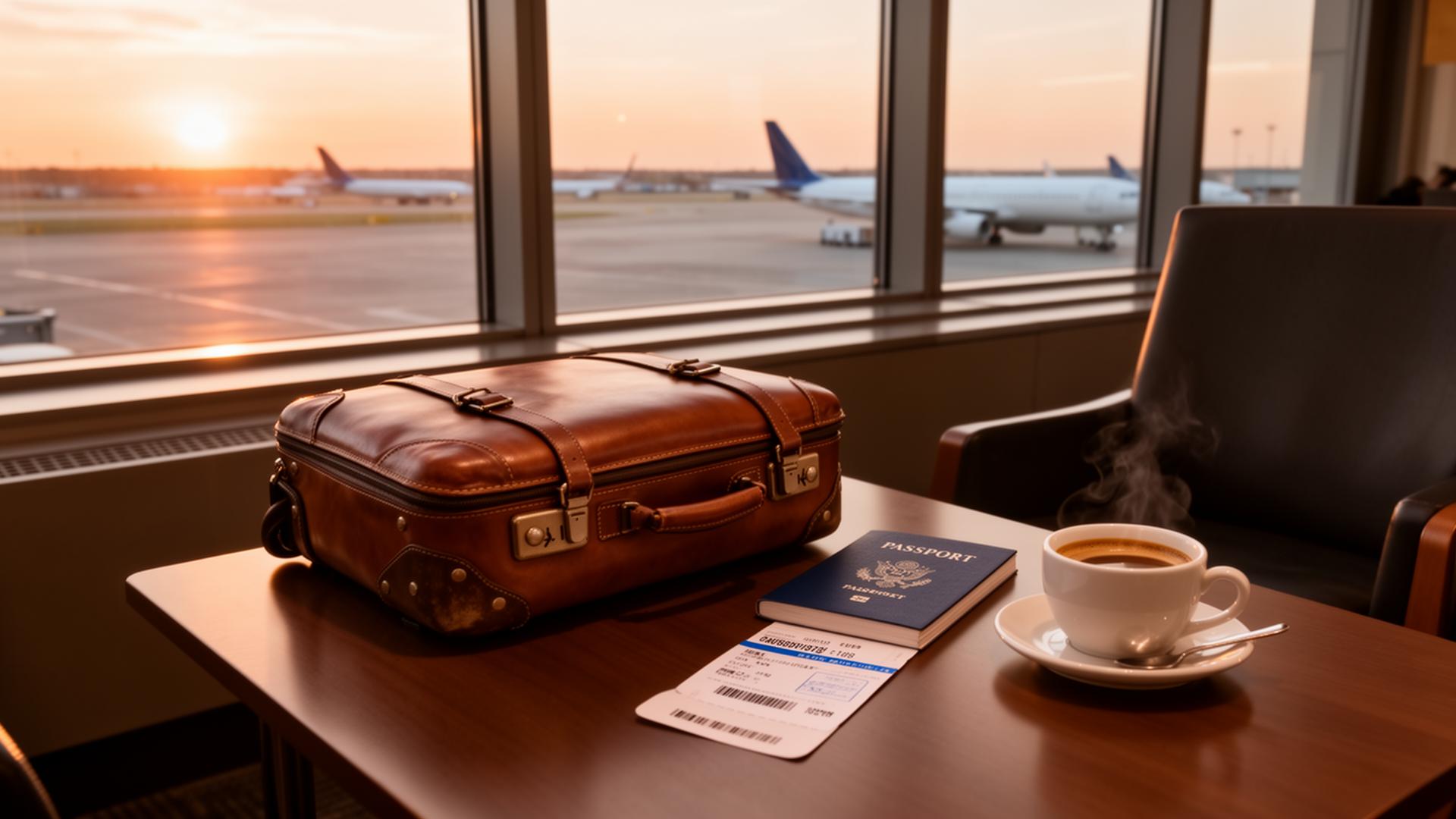
Build each travel day around the station, not the destination. Know your platform pattern, food plan, and arrival neighborhood before you leave the hotel. The train itself can be slow and beautiful only if the fifteen minutes before it are not frantic.
- Arrive thirty minutes early at major stations and fifteen at small ones.
- Check the train number, not only the destination, because routes split often.
- Board calmly, stow luggage before arranging personal items, and keep valuables close.
- At arrival, step aside before opening maps or messages.
Common mistakes to avoid
The fastest way to make a trip feel cheap is not choosing the wrong hotel. It is ignoring the small logistics that create stress in public: overweight bags, dead phones, missing addresses, shoes that punish you after lunch, and arrival plans that depend on perfect Wi‑Fi.
- Booking connections under twenty minutes in unfamiliar stations
- Packing a suitcase too wide for old train aisles
- Assuming food service will be available onboard
- Standing in doorways while deciding where to go next
How to make it feel premium
The premium rail traveler moves lightly, eats before hunger becomes urgent, dresses for both platform and dinner, and treats the window as part of the itinerary rather than dead time between cities.
The luxury is not in carrying expensive objects. It is in never needing to unpack your whole life to solve a small problem. A good system turns the airport, train platform, hotel lobby, or unfamiliar street into a place you can move through with composure. That composure is what other travelers mistake for style.
Questions, answered
Frequently asked
What is the most important rule for one-bag train travel through europe?
Keep the system simple enough to repeat under pressure. If a packing or planning method only works when you are relaxed at home, it will fail in the airport, station, or hotel lobby.
How big should my travel bag be?
Choose a soft 30–38 liter weekender or compact spinner that can fit above your seat and between train rows. Anything larger becomes a burden on stairs, cobblestones, and crowded regional platforms.
Should I travel with only a carry-on?
For trips under ten days, yes when laundry is possible. A carry-on saves time, reduces lost-luggage risk, and forces better editing. For formal events, winter equipment, or family travel, checked luggage can still be sensible.
How do I make travel feel more luxurious without spending more?
Protect sleep, reduce bag weight, book slower connections, arrive with local currency and offline maps, and leave one unscheduled block each day. Calm is the most reliable form of luxury.
Conversation
Be the first to comment
Comments are reviewed automatically before they appear. Please keep it respectful.
Loading comments…