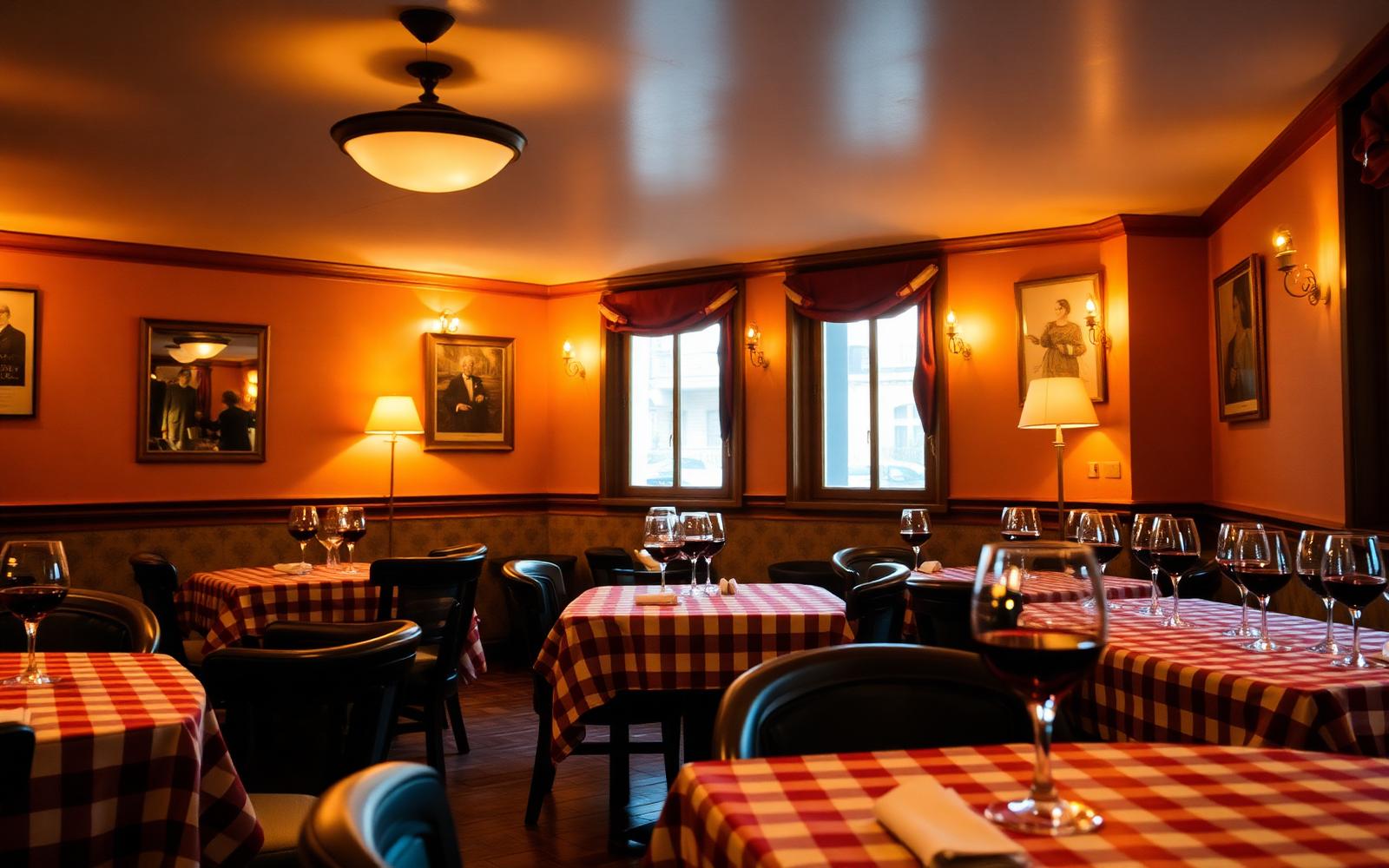
Port is the most generous wine in the world. It is fortified, which means it survives the boat journey home in a way no table wine will. It is sold cheaply at the door of the lodges, by the producers themselves. It is drunk slowly, in small glasses, after dinner, and a single bottle of a serious tawny — twenty years old, around €60 — will give a household six months of evenings. No other wine on earth offers this ratio of pleasure to investment. The only reason it is no longer fashionable is that most of what is sold abroad as Port is the cheap ruby that travels badly. The good stuff stays here, in the lodges of Vila Nova de Gaia and the small terraced quintas of the upper Douro valley.
This is a slow, opinionated guide for travelers who want to know Port properly in one week — three days in Porto and Gaia for the lodges, three days up the Douro for the vineyards, and one day to recover. It is not a wine encyclopedia. It is a sequence of rooms to visit in order, by people who will pour you the bottle they actually drink.
In this story
- Why Port is still undervalued in 2026
- Vila Nova de Gaia — the lodge crawl, and which to skip
- The five Port styles you should be able to recognise
- The upper Douro — driving, the train, and the river boat
- Three quintas worth a long afternoon
- A practical block: hours, tastings, transport
- How to ship Port home without losing money on customs
Why Port is still undervalued
Port suffered a long association with sweetness and grandfathers, and a generation of drinkers has yet to discover that a 10-year tawny is one of the most food-friendly wines made anywhere. The producers are old, family-controlled, and proud — Taylor, Graham, Niepoort, Symington, Quinta do Noval, Quinta do Crasto. The grapes are still hand-picked on terraces too steep for machines. The vintage system is honest. None of this has caught up with the global wine market, which is good news for anyone arriving in Porto this year with a moderate budget and an empty notebook.
Vila Nova de Gaia
The atmosphere
Gaia is the city across the river from Porto, and it is where the Port lodges have aged their wine in cool, dim stone cellars for three centuries. The riverfront is touristic — boat barkers, sangria bars — but the lodges themselves are mostly serious, well-run, and offer guided tastings for €15–40. Walk uphill into the back streets of Gaia and the queue thins immediately.
The good
- Taylor's — the best self-guided lodge tour and a tasting that includes a 20-year tawny
- Graham's — slightly uphill, a balcony with the city's best view, and a museum that is actually interesting
- Niepoort — small, smart, family-owned, the tasting most serious wine people end the day at
- Cálem and Sandeman — fine for a first lodge if your interest is broad rather than deep
The bad
- Three lodges in a day is the maximum; four is masochism
- The riverfront restaurants are a tourist trap — eat one street back, at Tasco or Taberna Santo António in Porto, not in Gaia
- The Cais de Gaia evening scene is crowded after 19:00 in season
The five Port styles you should recognise
- Ruby — young, red, simple. The version most foreigners know; the version locals rarely drink
- Reserve / Late Bottled Vintage (LBV) — a single year, aged in cask, very good value at €20–30
- Vintage — a declared year, bottle-aged, expensive (€80+) and meant for special occasions
- Tawny with indication of age (10, 20, 30, 40 years) — aged in oak, oxidative, nutty, the wine for everyday pleasure
- White Port and Rosé Port — the underrated aperitivo style, mixed with tonic and served cold
The upper Douro
The atmosphere
Two hours east of Porto by train, the Douro river enters the terraced wine country — steep schist hillsides, white-washed quintas, almond and olive between the vines. The most rewarding way to see it is the train along the river from Porto São Bento to Pinhão (€14, 3 hours, unreserved), then a stay at one of the smaller quintas that opens its rooms to guests.
The good
- Quinta do Crasto — modern rooms, terrace pool, serious wines, a long afternoon
- Quinta Nova de Nossa Senhora do Carmo — the most cinematic hotel in the valley, around €280/night
- Quinta do Bomfim (Pinhão) — Symington-owned, walk-in tastings, the easiest entry into the valley
- The Pinhão–Tua train segment along the river: thirty minutes of the best train scenery in Europe
The bad
- Driving the Douro on the N-222 is beautiful and exhausting; one quinta per day is the right pace
- River cruises from Régua are picturesque but slow — half a day at most, not two days
- Summer (July–August) brings 40°C and an empty valley; April–June and September–October are the right windows
A practical block
- Book lodge tastings 24–48 hours ahead in season; walk-ins possible at most lodges except Taylor's
- Carry €100 cash for small producers in the Douro who still prefer it
- Train from Porto São Bento to Pinhão runs ~6 times a day; book the right side of the train for the river view
- Stay in Porto's Ribeira or Massarelos for the lodges, Pinhão or Régua for the Douro
- Ship wine home through the lodge itself — they handle customs in EU countries; for the US/UK count on €15–25 per bottle in shipping
- Pace: three lodges per day maximum, with a long lunch between
How to ship Port home without losing money on customs
In the EU, the lodges ship a case of six for around €30, all in. To the UK or US, count on €60–120 in shipping plus your country's wine duty (UK: around £3 per bottle; US: varies by state). For a single bottle of a 20-year tawny, this still ends up cheaper than buying the same bottle at home. For a case of LBV or Reserve, it is a serious saving. Stick to single bottles of the best wines and skip the bulk ruby — it travels poorly and you can buy it anywhere.
How long to stay
Seven nights. Three in Porto (one full day for Gaia lodges, two for the city — São Bento, Livraria Lello, a lunch at Cantinho do Avillez, an evening at the Casa da Música). Three in the Douro (one quinta in the western valley, one in the upper). One last night back in Porto for the bottles you forgot to ship and the dinner you missed.
Questions, answered
Frequently asked
Is Port really worth the trip — isn't it just dessert wine?
No. A 10- or 20-year tawny is one of the most food-friendly wines made anywhere — paired with hard cheese, charcuterie, or simply drunk alone after dinner. The reputation for sweetness applies mostly to the cheap ruby exported abroad.
Which lodge should I visit first?
Taylor's for the best self-guided introduction, then Graham's for the view, then Niepoort for the most serious tasting. Three lodges in one day is the right pace; four is too many.
Do I need to go up the Douro, or are the Gaia lodges enough?
For a first trip, two days in Porto plus two in the Douro is the right split. Seeing the terraced vineyards in person changes the way you taste every glass of Port afterwards. The Pinhão train ride alone is worth the journey.
When should I come?
Late April to early June, or mid-September to mid-October. Summer is too hot in the valley; winter is quiet but many smaller quintas close.
What is the right bottle to take home?
A 20-year tawny from any of the major houses — around €60 — gives you the best ratio of pleasure to price. An LBV at €25 is the everyday version. Skip the basic ruby.


Conversation
Be the first to comment
Comments are reviewed automatically before they appear. Please keep it respectful.
Loading comments…